01 / START WITH THE AREA AND LOAD
Do not treat three different motor routes as one explosion-proof range
Ordinary low-voltage machinery
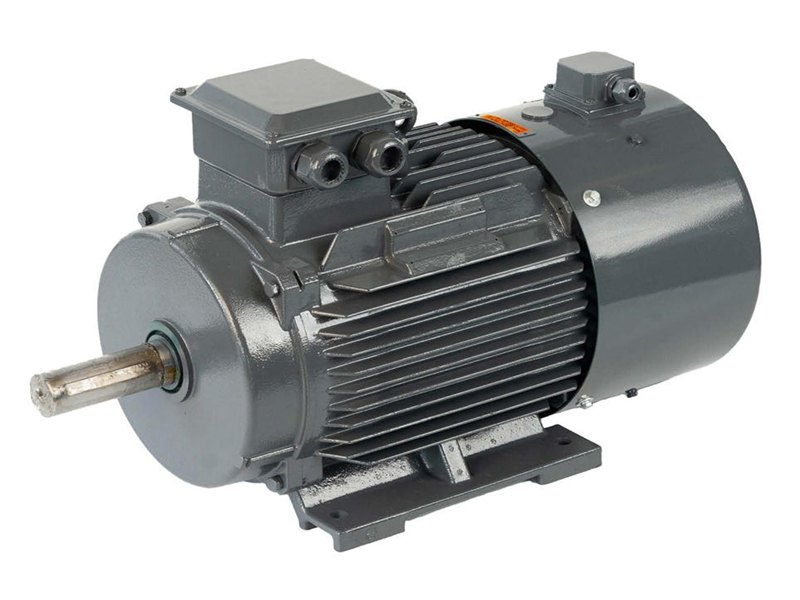
Shangli's YE3 page describes a general-purpose, enclosed self-fan-cooled three-phase induction series with frames H80–355, 0.75–375 kW, 2/4/6 poles, IP55 and IC411. The page states 380 or 400 V at 50 Hz. Those are series-level catalogue bounds, not a promise that every frame and pole combination exists at every power. Ordinary YE3 is not a hazardous-area substitute merely because the same manufacturer also makes flameproof motors.
Confirm before ordering For a non-hazardous machine, send load torque and inertia, duty, supply, mounting, shaft, ambient, start method and efficiency requirement. Require the exact YE3 model, nameplate, drawing and tested efficiency for the offered configuration.
View Low-voltage induction motor range →
Low-voltage gas or dust hazard
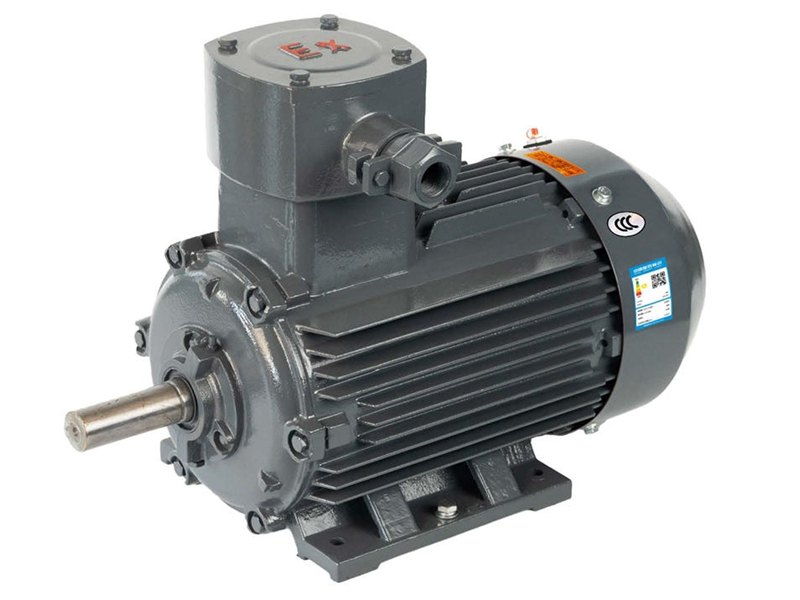
The manufacturer's separate low-voltage explosion-protected catalogue includes YBX flameproof families, YBFBX5 described for both flameproof gas and dust enclosure protection, and YBBP for inverter-fed flameproof duty. Its YBFBX5 page describes frames 80–355 and both gas and dust marking concepts. That page is a family description; it does not establish the marking, certificate, ambient limit, or terminal and cable-entry approval of the exact unit quoted. Gas and dust hazards need their own classified-zone and ignition-risk review.
Confirm before ordering Provide the zone, gas group or dust type, temperature class or surface-temperature ceiling, required equipment protection level, ambient, supply, starting and earthing method. Request the exact motor's marking plate, current certificate and schedule, enclosure/cable-entry details and applicable local acceptance path.
View Low-voltage explosion-proof motor range →
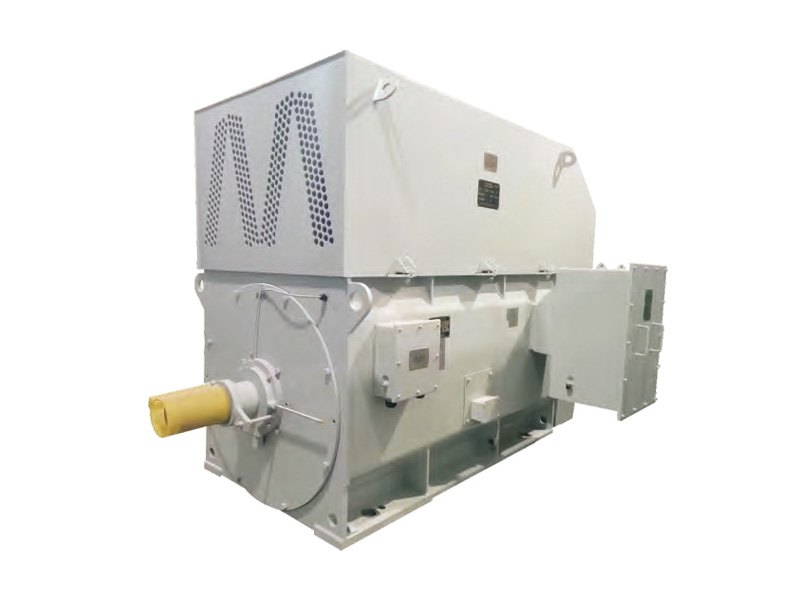
High-voltage plant drive
Shangli's high-voltage navigation separates Y/YKS/YKK general high-voltage motors from a YB3 high-voltage flameproof family. Voltage class, cooling arrangement and hazardous-area design therefore cannot be inferred from the words 'high voltage' alone. Its public category page does not give enough readable model-row data here to quote a universal voltage, output, efficiency or cooling specification. A high-voltage procurement should be engineered around the grid, driven load and site interface.
Confirm before ordering Send kV and frequency, starting voltage dip limits, driven-machine torque curve and inertia, duty, cooling air/water conditions, bearing and lubrication requirements, foundation and coupling drawings, protection relay interface, and whether the installation is classified. Ask for a model-specific datasheet and test/approval package.
View High-voltage induction motor range →



 LinkedIn
 Facebook
 X
 WhatsApp
 Email