

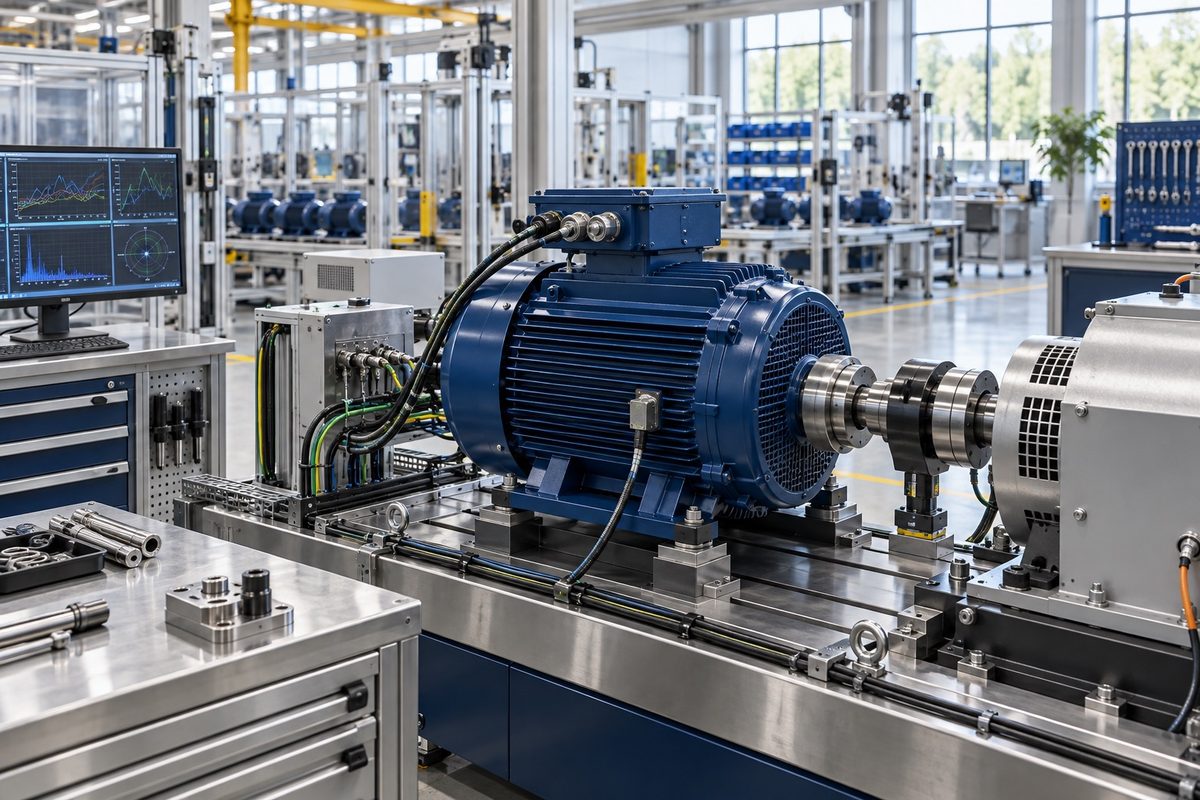
A polished product photograph can tell you what a motor looks like. It cannot establish the exact configuration, the supplier's role in manufacturing it or whether the quoted version meets your project requirements. A useful comparison therefore starts with evidence that can be tied to a particular company and product.
MotorSourcing's directory brings manufacturer information together to make that first comparison easier. The next step is to ask consistent questions and record the answers. This guide sets out a practical sequence for moving from a public profile to a shortlist for technical discussion.
Confirm which company you are evaluating
Record the registered company name, official website and the name shown on the quotation. Differences may have a legitimate explanation, such as an export entity or a group company, but they should be understood before purchasing. Ask which legal entity supplies the goods and which organization manufactures the proposed motor.
Use contact information published through the company's own channels as a reference. A public directory entry is not a substitute for checking the identity of the person responding to an inquiry. If payment instructions or contracting details change later, verify those changes through an established channel.
Compare product scope against your application
Manufacturers can specialize in very different motor families. The official catalogues referenced below illustrate this range: large industrial electrical machines, compact geared drives and application-specific motors each require different questions. A broad statement that a company makes electric motors is less useful than a model or series relevant to your project.
Identify the closest product family, then explain where your requirement differs. Ask whether the proposed motor is a standard catalogue configuration, a modified existing design or a new development. Keep the answer visible in your comparison, because development scope can change the documents, sample work and commercial assumptions required.
Ask for evidence at the right level
Company-level information, product-family descriptions and model-specific records answer different questions. A company introduction can establish the scope of its business. A series page can help locate a suitable range. A model-specific datasheet and drawing provide the detail needed to review the actual offer.
When a supplier states a certification or test result, request the corresponding document and check what company, model and configuration it covers. Record its issuer, scope and version. Have the responsible engineering or compliance specialist assess whether it addresses your destination market and application.
Review how the supplier handles technical questions
Send the same brief to shortlisted suppliers and compare the completeness of their responses. A useful reply identifies assumptions, proposes a configuration, answers the requested fields and flags conditions that need further engineering review. Speed of reply is convenient, but a fast answer that leaves the specification ambiguous is not yet a complete quotation.
Track unanswered questions in a simple issue list. Assign a reference to each drawing and datasheet so revised documents do not silently replace the basis of an earlier decision. Ask the supplier to explain deviations instead of filling missing values from a different catalogue model.
Define the sample and acceptance process
Before ordering samples, agree what will be evaluated, by whom and against which criteria. Identify the mechanical interface, electrical behavior and operating conditions relevant to your machine. Establish how results will be recorded and which findings must be resolved before a production release.
A successful sample evaluation should lead to an agreed production configuration. Request a process for notifying you about substitutions or design changes. Keep packaging, labeling, required documents and traceability expectations in the purchasing specification where they matter to the project.
Compare the full commercial scope
Place quotations side by side only after checking that they cover comparable items. Separate motor price from controller, gearbox, cables, tooling, samples, freight and any development work. Record quantity breaks, delivery basis, currency, payment milestones, warranty terms and quotation validity as stated by the supplier.
The lowest headline price may describe a different scope. Resolve those differences explicitly, then make the sourcing decision using the technical and commercial criteria agreed by your team. The purpose of the directory and inquiry workspace is to organize this process, not to replace supplier due diligence or engineering approval.
Sources & editorial notes
Prepared by the MotorSourcing Editorial Team from the references below. This guide supports supplier discussions; the chosen manufacturer's model-specific documentation remains the reference for procurement and installation.
- SEC Electric Machinery official product families ↗
- GPG Motor official product catalogue ↗
- LINIX official application and motor portfolio ↗
For corrections, contact rfq@motorsourcing.com.
Ready to build your supplier shortlist?
Compare motor families and bring a complete specification to your next inquiry.
Find manufacturers → LinkedIn
 Facebook
 X
X WhatsApp
 Email
Email