01 / FOUR DIFFERENT REQUESTS
The same plant enquiry can lead to four non-interchangeable motor briefs
YE3 or YE4: ordinary supply and efficiency comparison
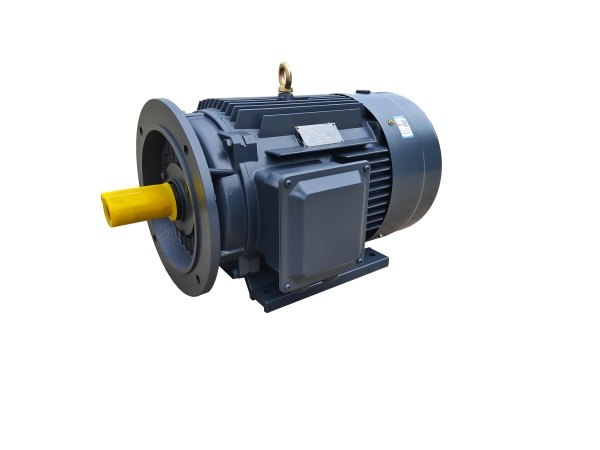
The manufacturer's navigation places YE3 and YE4 in separate high-efficiency three-phase induction families, away from its hazardous-area categories. Its public YE3 detail is an illustration and family title rather than a current model table. A buyer comparing the two should ask for the offered frame-and-pole rows, rated load efficiency test conditions and current compliance documents; an efficiency label does not define the installation envelope.
Confirm before ordering Provide supply, frequency, shaft output and speed, start method, duty cycle, ambient, cooling, mounting, driven-load inertia and required efficiency jurisdiction. Request the exact part number, nameplate, drawing and test report for that rated point.
YBBP: flameproof duty with inverter speed control
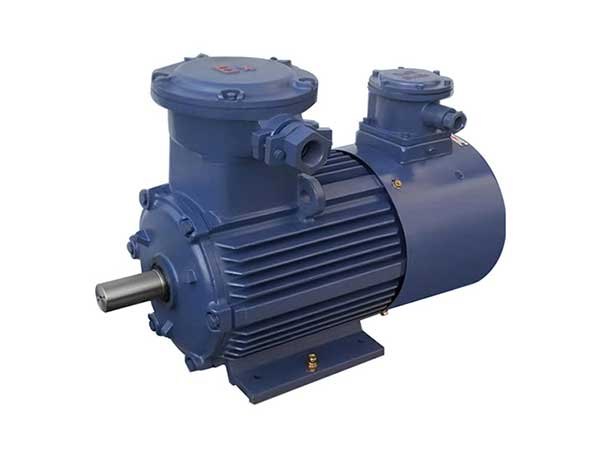
The official catalogue has a distinct YBBP flameproof variable-frequency heading. A drive-fed motor in a classified area needs both an exact protection marking and a thermal operating envelope for the intended inverter and speed range. The current public product detail shows a series illustration, not a model-specific speed/torque curve or certificate number.
Confirm before ordering State gas group, zone, temperature class, ambient range, required speed/torque cycle, drive type, cable length, cooling arrangement and mounting. Ask for the offered motor-and-inverter operating limits, exact certificate and nameplate marking.
YBX3 versus YBX4: do not treat gas and dust as one approval
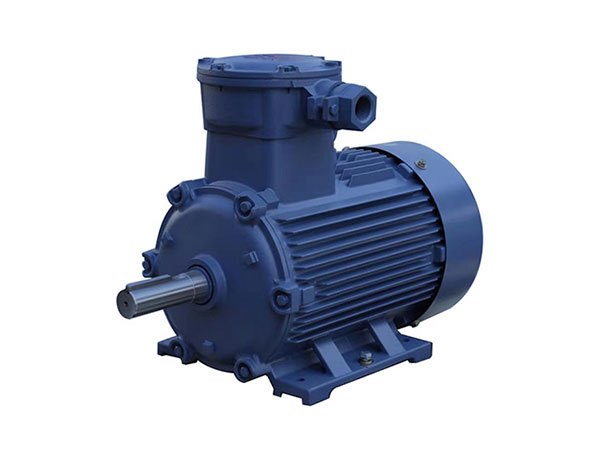
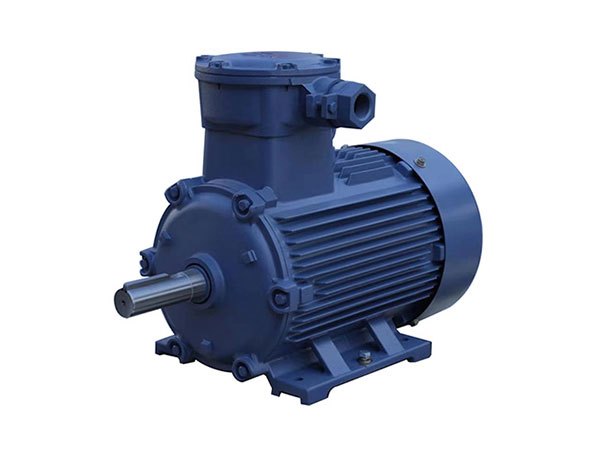
The site lists YBX3 and a separately named YBX4 dust explosion-protection family. The YBX3 catalogue card is called a high-efficiency three-phase motor; its site qualification gallery labels a YBX3 explosion-proof efficiency report. These headings and scans are not evidence that a given YBX3 and YBX4 build share a protection method, efficiency grade or installation approval.
Confirm before ordering For dust, provide zone, dust group, required maximum surface temperature, ingress/environment exposure and cleaning regime. For gas, provide gas group and temperature class. Request a model-specific certificate, scope, drawing and test evidence matching the legal entity and offered configuration.




 LinkedIn
 Facebook
 X
 WhatsApp
 Email