

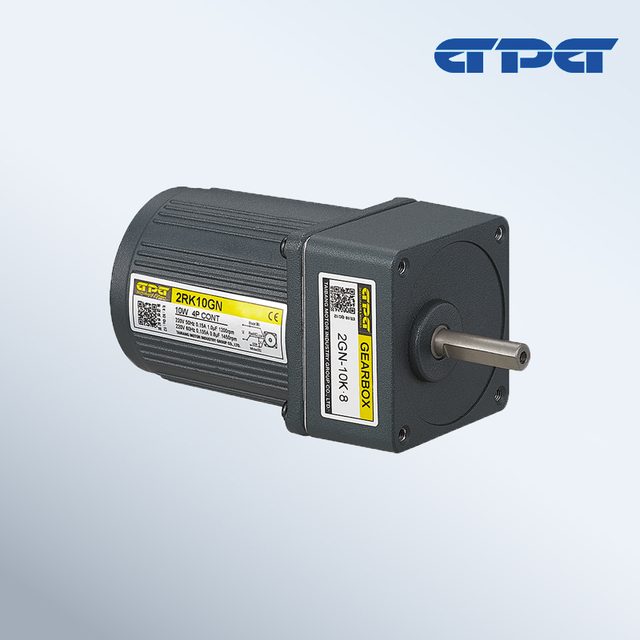
Geared motors
2IK / 2RK 60 mm AC gear motor
TAIBANG MOTOR INDUSTRY GROUP CO., LTD.- Noise
- ≤60 dB (manufacturer-stated)
- Humidity
- Below 95%, non-condensing
 0
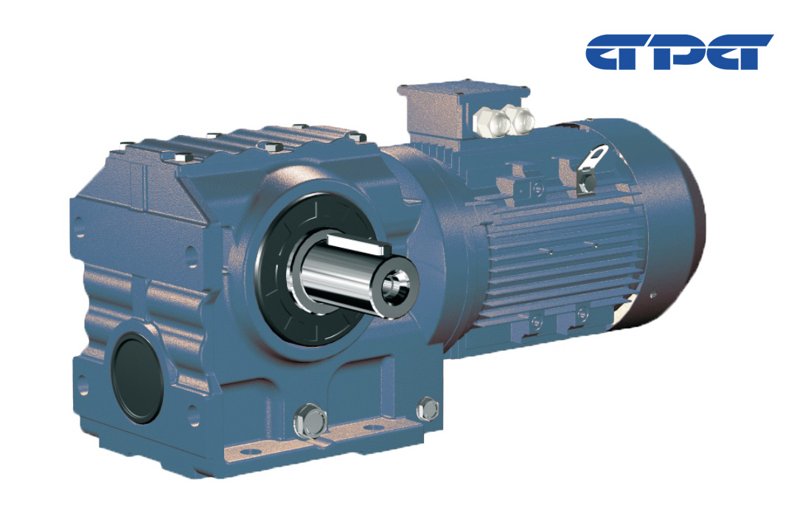
Manufacturer catalogue image · Series illustration

Catalogue series · Exact configuration and availability confirmed by the manufacturer.
A helical-worm assembly is not a lossless speed converter. GPG’s SG37 table pairs the same 0.12 kW four-pole motor with different output speeds and torques. Calculating output power from those paired values helps prevent a nominal motor-power figure from becoming an unrealistic load requirement.
The SG37 table uses 1450 rpm input. The last column is calculated as P = T × n / 9550, using the listed output torque in N·m and speed in rpm; it is not an independently tested efficiency result.
| Ratio | Output rpm | Torque N·m | Calculated kW |
|---|---|---|---|
| 23.91 | 60.6 | 15 | 0.095 |
| 68.00 | 21.3 | 39 | 0.087 |
| 204.0 | 7.11 | 85 | 0.063 |
That hypothetical load requires about 161 N·m, calculated from 9550 × 0.12 / 7.11. The SG37 0.12 kW row at ratio 204.0 lists 85 N·m, so matching the motor’s 0.12 kW label would not satisfy that output requirement. Give the supplier the required output torque and speed together, including breakaway load, rather than specifying motor power alone.
These are rounded catalogue operating points, and 0.12 kW identifies the motor-power row rather than a measured gearbox input at every load. Their difference must not be presented as a certified heat loss or an electrical-consumption figure. For continuous operation, obtain the selected gearbox’s thermal approval for the ambient temperature, installation position and running hours. The SG37 table’s FB value at ratio 204.0 is 1.08; it is not a separate thermal rating.
The SG selection sheets provide torque and dimensional data but no validated holding or self-locking rating for this example. If the application can drive the gearbox backward, define the required holding torque and stopping sequence and obtain a suitable brake or other approved holding arrangement. A high ratio or the presence of a worm stage is not, by itself, evidence that the load will remain stationary.
Provide the previous ratio, load cycle, mounting-position sketch and temperature history with the inquiry. The catalogue’s appended troubleshooting guide identifies incorrect oil level and aged lubricant among possible temperature-related issues; it also discusses optional cooling equipment that should not be assumed to exist on SG37. Establish the actual unit’s lubrication and ventilation requirements before treating a larger motor as the remedy.
CATALOGUE OVERVIEW
GPG SG helical-worm gearmotors combine a worm stage with helical gearing. The SG37 catalogue provides paired ratio, speed and output-torque values, allowing a load to be specified at the slow shaft rather than by motor power alone. The examples below separate calculated mechanical output, continuous thermal duty and power-off holding requirements.
Model / series reference: SG
Specifications describe a series range; confirm which ratings apply together to the quoted model.
Confirm mounting and shaft dimensions against the drawing for the quoted configuration.
Geared motors
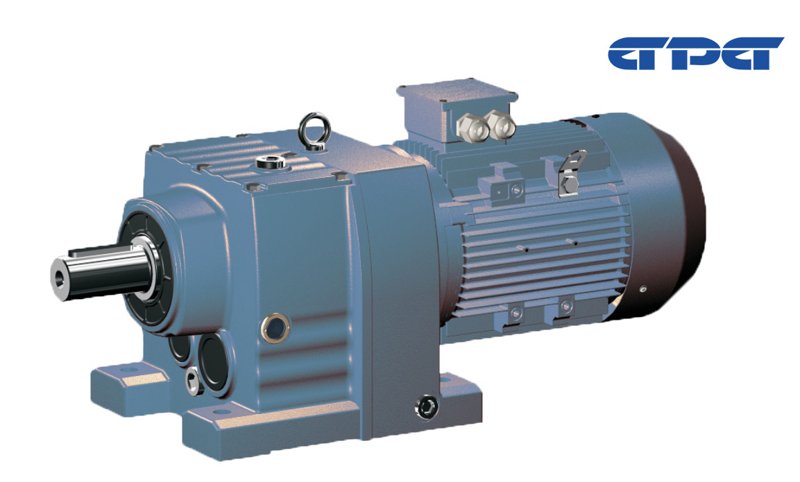
Geared motors
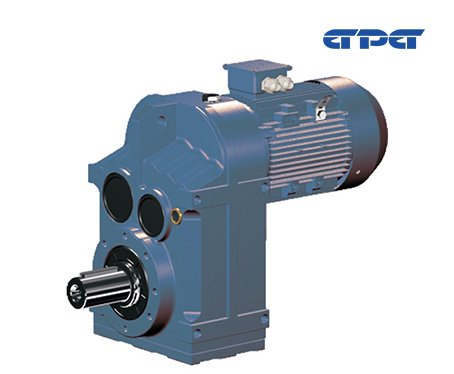
Geared motors
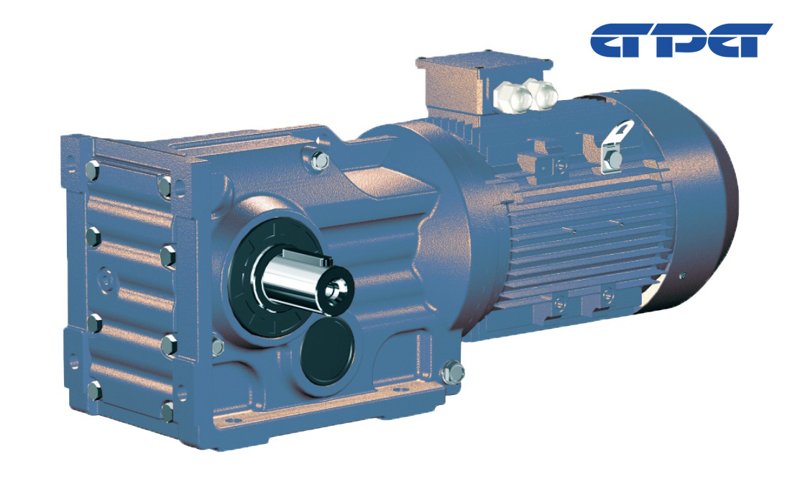
Geared motors
Keep your sourcing team on the same page.
We use cookies to keep this site working and measure website usage. Cookie & privacy details
 LinkedIn
 Facebook
 X
 WhatsApp
 Email