

Application-specific motors
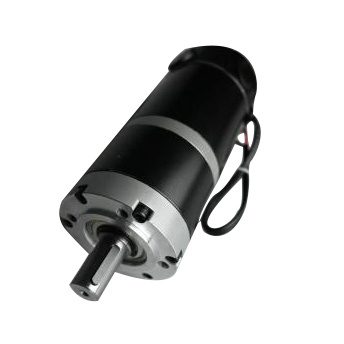
Steering motor
Zhejiang Lianyi Electric Co.,Ltd.- Application
- Electric forklift steering
- Service Feature
- Externally replaceable carbon brushes
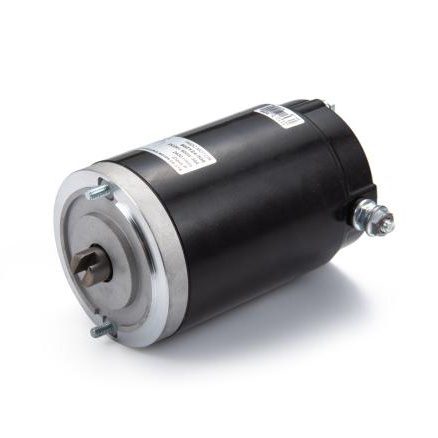
Manufacturer catalogue image · Series illustration
 LINIX Motor View manufacturer →
Catalogue series · Exact configuration and availability confirmed by the manufacturer.
Open original manufacturer source ↗CATALOGUE OVERVIEW
LINIX’s oil-pump motor family lists 24 V and 48 V versions with published outputs of 360, 500 and 800 W. The source describes ball bearings and carbon brushes, with conventional, service-access and integrated valve-block arrangements. Match the exact electrical variant to the pump load and duty; the family options are not ratings shared by every assembly.
Use these ratings to shortlist the series. A range does not mean every combination is available.
Not stated in the collected source: exact price, MOQ, lead time, model-specific dimension drawing. Request these with your selected configuration.
A catalogue example demonstrates a product family, not an approved custom specification. Ask for a model-specific drawing and agreed acceptance criteria.
Use the Oil pump motor reference when requesting a datasheet from LINIX Motor. Confirm these requirements against the exact offered model before comparing quotations.
Application-specific motors
Application-specific motors
Application-specific motors
Application-specific motors
Keep your sourcing team on the same page.
Help us improve motor sourcing. Allow usage measurement with Google Analytics? Privacy details
 LinkedIn
 Facebook
 X
X WhatsApp
 Email
Email