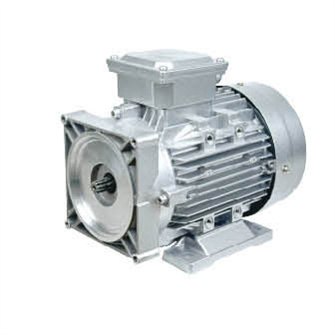
BT aluminium: confirm the coupling face before the winding
The BT oil-pump sheet separates frame 90 and frame 100 four-pole, three-phase rows and gives different overall lengths. A distinct Y2W coupling-motor table appears lower on the same source sheet; its dimensions and ratings must not be copied into a BT order. Use the BT drawing to match the pump flange, shaft engagement and electrical build.
Confirm before ordering Send pump make/model, flange pilot and bolt circle, shaft and key dimensions, available envelope, supply, load torque, duty and thermal environment. Ask for a drawing tied to a specific BT order code and a corrected output-power unit.
View BT aluminium-housing oil-pump motor →
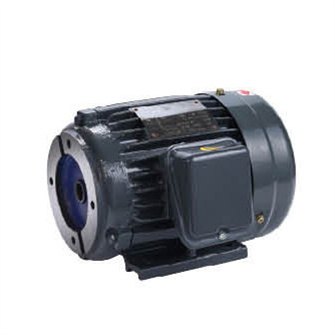
Horizontal iron: check frame and base loads
The horizontal cast-iron table covers several frame sizes and separates four-pole from six-pole rows, with two outline forms. A nominal frame number does not settle the pump-side connection or foot pattern. For a replacement, the installed shaft height, foot centres and coupling alignment matter as much as the electrical nameplate.
Confirm before ordering Provide the old motor and pump drawings, frame and foot centres, shaft height, bearing/coupling loads, start frequency, running torque, supply and desired protection. Request the row-specific outline and test data.
View Horizontal cast-iron oil-pump motor →
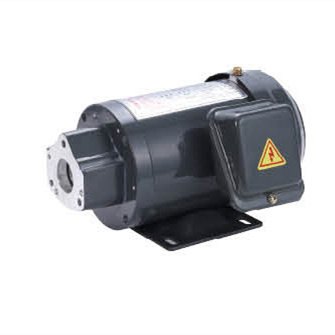
TOP lubrication pump: distinguish its two drawings
The TOP sheet presents single- and three-phase arrangements with different pump-side geometry despite a shared nominal shaft-centre height. Treat the drawings as alternative builds, not two names for one part. A lubrication pump that misaligns or runs at the wrong speed can fail even if the motor's general power class seems plausible.
Confirm before ordering State pump displacement and required pressure/flow, supply and phase, coupling style, shaft and flange drawing, oil/ambient temperature, cycle length and replacement envelope. Request the exact TOP variant and verified electrical rating.
View TOP lubrication-pump motor →




 LinkedIn
 Facebook
 X
 WhatsApp
 Email