

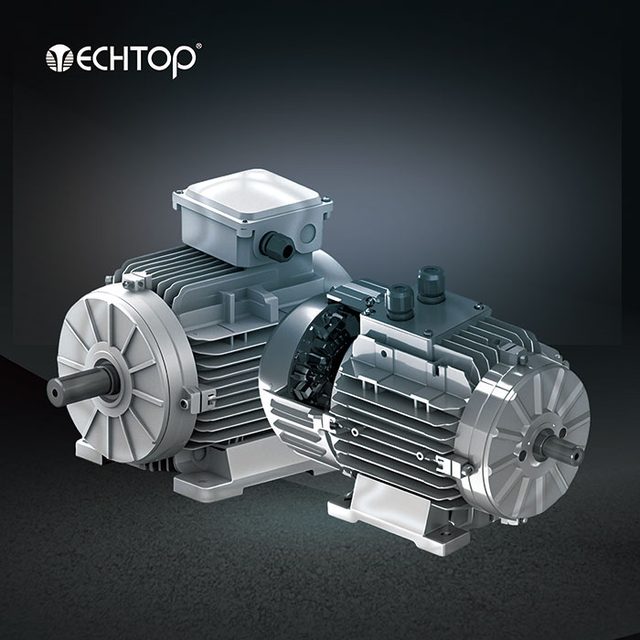
Permanent magnet motors
Permanent magnet synchronous motor
Shanghai Top Motor Co.,Ltd.- Motor Type
- Permanent-magnet synchronous
- Catalogue Series
- EC / ECI
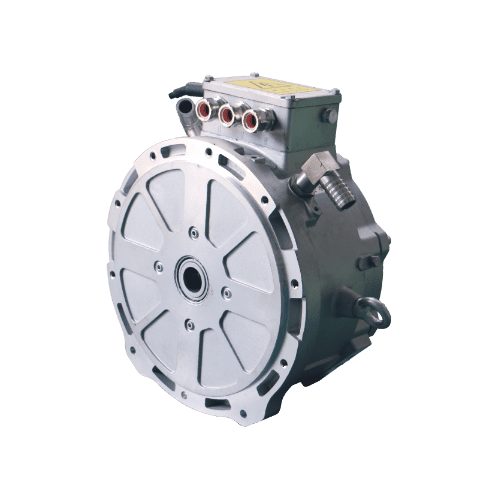
Manufacturer catalogue image · Series illustration
 Weiteli Motor View manufacturer →
Catalogue series · Exact configuration and availability confirmed by the manufacturer.
Open original manufacturer source ↗CATALOGUE OVERVIEW
Weiteli publishes a range of traction motors for electric and hybrid buses. The listed variants span 50–215 kW rated output and 100–350 kW peak output. Supply options shown across the models are 520, 540 and 618 V DC, with IP68 listed in the table. These are family-wide ranges, not interchangeable ratings: match the exact vehicle, controller, rated torque and speed curve to a specific variant.
Use these ratings to shortlist the series. A range does not mean every combination is available.
Not stated in the collected source: exact price, MOQ, lead time, model-specific dimension drawing. Request these with your selected configuration.
Confirm the intended inverter, feedback and startup method for the exact model, along with thermal limits and field-weakening operation.
Use the Electric and hybrid bus traction motor range reference when requesting a datasheet from Weiteli Motor. Confirm these requirements against the exact offered model before comparing quotations.
Permanent magnet motors
Permanent magnet motors
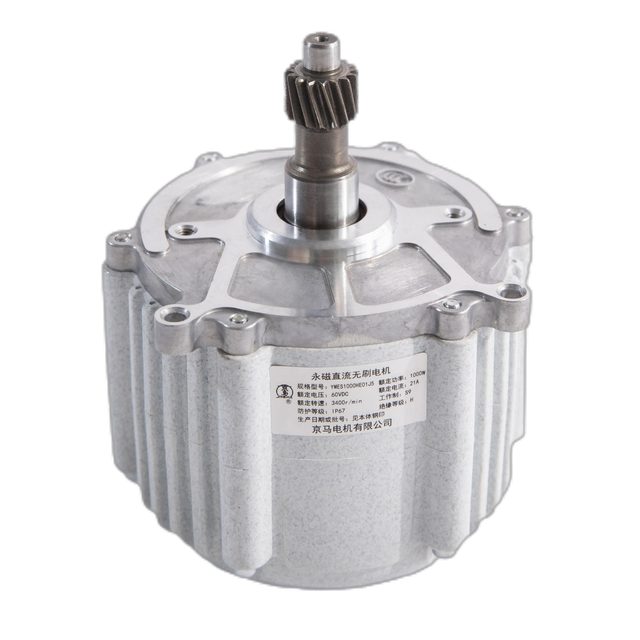
Permanent magnet motors
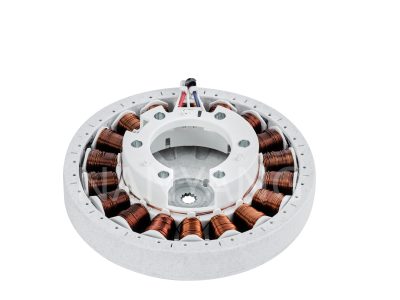
Permanent magnet motors
Keep your sourcing team on the same page.
Help us improve motor sourcing. Allow usage measurement with Google Analytics? Privacy details
 LinkedIn
 Facebook
 X
X WhatsApp
 Email
Email